
If your favourite K-drama character keeps clinking little green bottles over a sizzling grill, you've already met soju — even if nobody said its name out loud. It's the drink flooding your feed, your group chats and now Nairobi's bar carts. So let's answer the question properly.
So, what is soju?
What is soju? It's Korea's best-loved spirit: a clear, clean, lightly sweet drink traditionally distilled from rice, though modern bottles often use other grains and starches such as barley, wheat, sweet potato or tapioca. Think of it as a smoother, friendlier cousin of vodka — less fiery, easy to sip, and built for sharing around a crowded table. For generations it's been Korea's everyday celebration drink, poured at dinners, birthdays and late-night catch-ups. Now it has well and truly landed here.
The name roughly means "burned liquor," a nod to the distillation that gives soju its crisp, neutral character. That neutrality is its superpower: it plays nicely on its own, mixes like a dream, and never overwhelms the food it sits beside.
What does soju taste like?
Classic soju is gentle and clean — faintly sweet, a little grainy, with a soft warmth rather than a harsh kick. It's the kind of drink that disappears easily between bites of grilled meat, which is exactly the point.
Flavoured soju is the version sweeping Kenyan timelines, and it's a completely different mood. Imagine the smoothness of the original wrapped in juicy fruit — peach, plum, strawberry, green grape, grapefruit, lemon. It's bright, refreshing and dangerously easy to enjoy chilled, which is why first-timers tend to fall for the flavoured bottles before circling back to the classic.
Soju alcohol percentage: how strong is it?
This is the question everyone Googles. The soju alcohol percentage that matters for most newcomers is the modern flavoured style, and the flavoured bottles in the Jinro soju range sit at around 13% ABV. That's roughly wine-strength — noticeably lighter than a 40% vodka or whisky, and a big reason soju feels so sippable.
A standard bottle is 360ml, the perfect size to split between two or three people over dinner. Easy to drink does not mean weightless, though: at around 13% those small glasses add up faster than you'd think, so pace yourself.
Why everyone is talking about soju
Soju's rise isn't a fluke — it rode the same wave that put Korean culture everywhere. K-dramas turned the green bottle into a recurring co-star (someone's always drowning their sorrows or toasting a win with it). K-pop made anything Korean instantly aspirational. And Korean BBQ — the smoky, communal, grill-at-your-table experience — gave soju its natural home on the plate.
Put those together and you get a drink that's social, photogenic and approachable. In Nairobi especially, soju has become the go-to for anyone hosting a Korean-style spread or simply chasing the trend they've watched on screen for years.
Classic vs flavoured: meet Jinro
Jinro is one of the world's best-known soju brands and the flagship name we stock, with eight bottles covering both camps. Browse the whole Jinro soju range and you'll see the split clearly.
On the classic side, Jinro Chamisul (Fresh) is the clean, traditional original — the one to reach for if you want soju the way Korea drinks it most. Jinro Blue Soju is a smooth, lower-key sipper that's a gentle entry point.
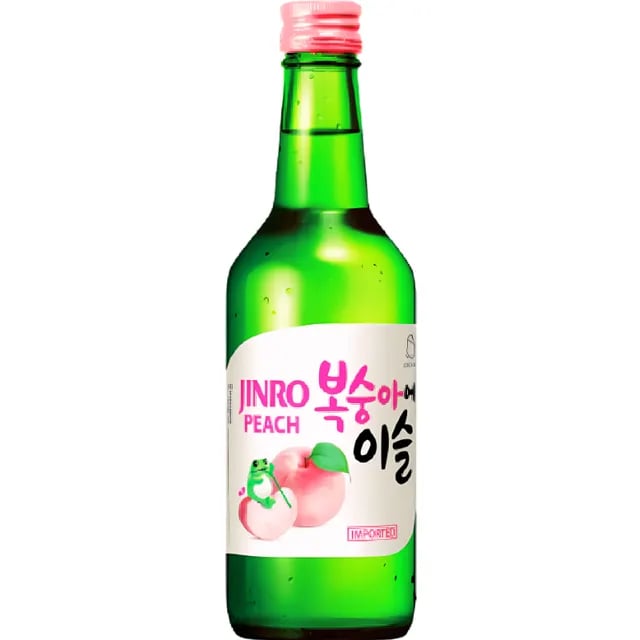
On the flavoured side is where most first-timers start. Jinro Peach Soju is the crowd-pleaser, all soft sweetness. Jinro Plum Soju leans a touch deeper and more rounded, while Jinro Strawberry Soju is bright and fun. Prefer something a little sharper? Jinro Green Grape Soju is crisp and tangy, Jinro Grapefruit Soju brings a grown-up bittersweet edge, and the zesty Jinro Lemon Soju is basically summer in a bottle.
How to drink soju
There's no wrong way, but here's how Korea does it best:
- Chilled and neat. Keep the bottle cold and pour into small glasses. Flavoured soju especially shines straight from the fridge.
- The shot tradition. Soju is social by design — pour for others, let them pour for you, and toast before the first sip. Holding your glass with both hands when an elder pours is a classic mark of respect.
- Somaek. Mix soju with beer for Korea's famous, easy-drinking blend. Lighter than it sounds, and a party favourite.
- As a cocktail base. Its neutral profile makes soju a brilliant mixer with soda, tonic, juice or fresh fruit. The flavoured bottles practically build the cocktail for you.
For food, soju is made for the grill. Pair it with Korean BBQ, fried chicken, spicy stews — or go local and crack one open beside a plate of nyama choma. The clean finish resets your palate between every smoky, savoury bite.
Soju price in Kenya: how much is soju?
Let's talk numbers, because the soju price in Kenya is part of the appeal. How much is soju in Kenya? A 360ml bottle of Jinro is KSh440 across every flavour — classic and fruity alike. That's an easy, affordable way to try something new without committing to a full premium spirit, and it makes stocking a few flavours for a party genuinely painless.
If you're in soju Nairobi territory and want it tonight, we deliver cold bottles straight to your door, so there's no trek across town hunting for the green bottle you saw on screen.
Shop soju in Nairobi
Ready to taste the trend? Start with a flavour that matches your mood:
- Jinro Peach Soju — KSh440
- Jinro Strawberry Soju — KSh440
- Jinro Green Grape Soju — KSh440
- Jinro Grapefruit Soju — KSh440
- Jinro Chamisul (Fresh) — KSh440 (the classic)
Or browse all eight in the full Jinro soju range and build your own tasting flight. Grab a couple of flavours, chill them down, fire up the grill and host your own K-drama night.
A quick reminder before you pour: soju is for adults 18+ — keep it social, pace yourself, and enjoy responsibly.